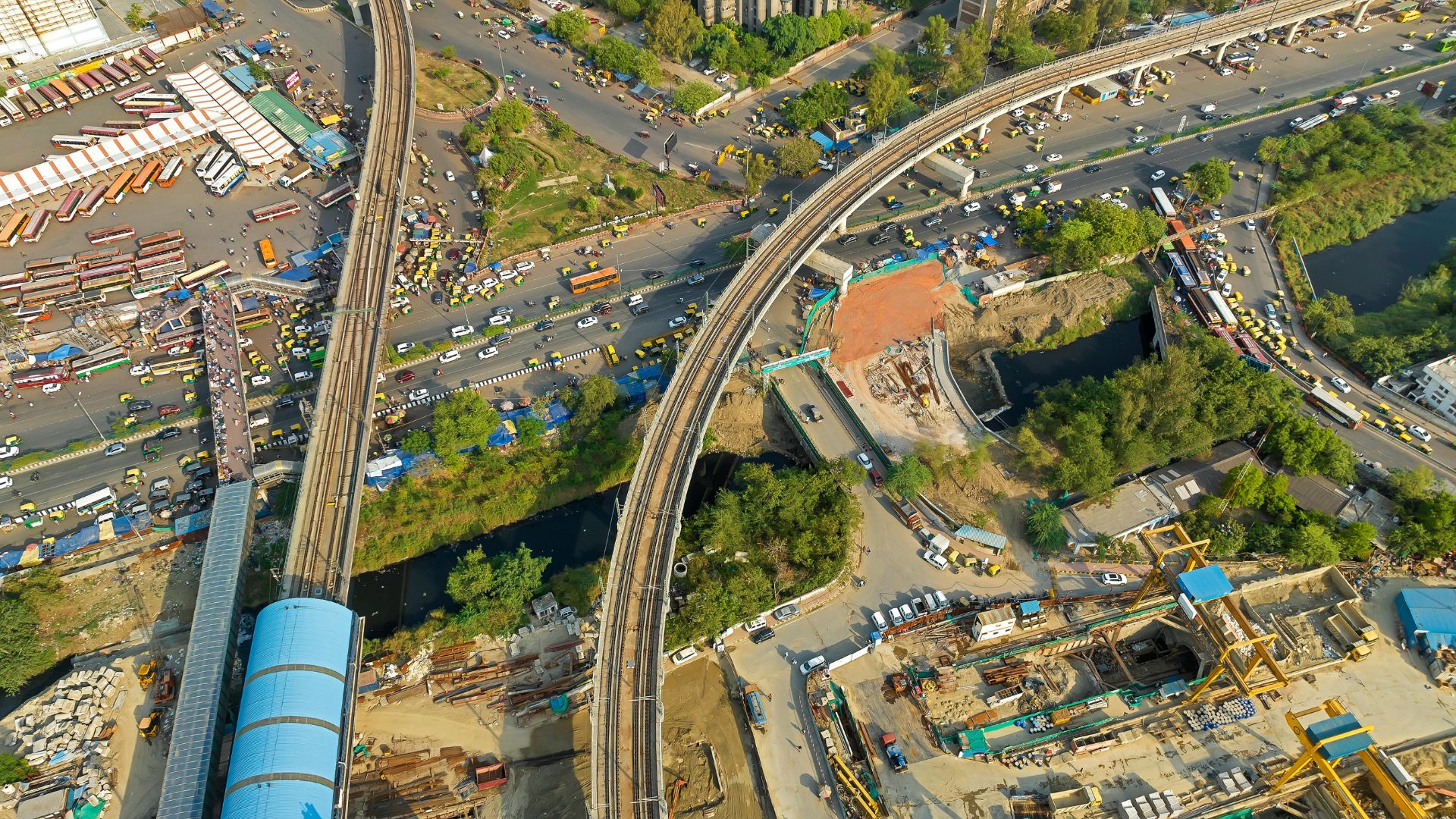
Sustainable industrial development depends on efficient use of resources, reliable infrastructure systems, and long-term operational planning. Western Australia is a major hub for mining, energy, manufacturing, logistics, and large-scale industrial projects. These industries operate under strict environmental, safety, and engineering requirements.
Industrial infrastructure services in Western Australia support sustainable industrial development by improving energy efficiency, reducing environmental impact, extending asset lifespan, and maintaining safe industrial operations. These services help industries balance productivity with environmental responsibility.
Industrial infrastructure services in Western Australia also support long-term economic growth by improving infrastructure reliability and reducing operational waste across industrial sectors. Sustainable systems help industries operate efficiently while meeting regulatory and environmental standards.
Understanding Sustainable Industrial Development
Sustainable industrial development focuses on improving industrial performance while reducing environmental impact and resource consumption. It ensures that industrial growth does not negatively affect long-term environmental stability or operational safety.
Key sustainability factors include:
- Energy efficiency
- Waste reduction
- Water management
- Emission control
- Resource optimization
- Equipment efficiency
Industrial infrastructure services in Western Australia help industries achieve these goals through engineering solutions, maintenance programs, and modern infrastructure systems.
Sustainable development supports long-term industrial stability and reduces operational risks related to environmental compliance and resource shortages.
Energy Efficiency in Industrial Infrastructure
Energy consumption is one of the largest operational costs in industrial facilities. Improving energy efficiency helps reduce environmental impact and operational expenses.
Energy-related infrastructure services may include:
- Power system optimization
- Energy monitoring systems
- Electrical upgrades
- Efficient lighting systems
- Renewable energy integration
Industrial infrastructure services in Western Australia help industries reduce energy waste through modern infrastructure design and maintenance strategies.
Efficient power systems reduce electricity consumption and improve equipment performance. Many industrial facilities also use hybrid energy systems combining diesel generators with solar energy solutions.
Energy-efficient infrastructure supports long-term sustainability and operational cost reduction.
Water Management and Resource Efficiency
Water is a critical resource in mining, energy, and manufacturing industries. Efficient water management systems help reduce waste and support environmental compliance.
Water infrastructure services may include:
- Water recycling systems
- Pipeline maintenance
- Pump station servicing
- Wastewater treatment systems
- Drainage system management
Industrial infrastructure services in Western Australia support sustainable water usage through infrastructure maintenance and system upgrades.
Mining and industrial facilities often operate in dry regions where water conservation is essential. Efficient water systems help reduce environmental impact and support long-term resource sustainability.
Proper water management also improves operational efficiency and reduces resource costs.
Environmental Protection and Emission Control
Industrial operations can produce emissions, waste materials, and environmental disturbances. Sustainable infrastructure systems help reduce these impacts and support regulatory compliance.
Environmental infrastructure services may include:
- Dust suppression systems
- Emission control systems
- Waste management infrastructure
- Air quality monitoring systems
- Environmental drainage systems
Industrial infrastructure services in Western Australia help industries maintain compliance with environmental regulations through infrastructure planning and maintenance programs.
Emission control systems reduce air pollution and improve workplace safety. Waste management systems also help prevent contamination and support environmental protection.
Sustainable environmental systems reduce long-term ecological impact and improve industrial responsibility.
Equipment Efficiency and Lifecycle Management
Industrial equipment must operate efficiently to reduce waste and improve productivity. Poorly maintained equipment consumes more energy and increases environmental impact.
Equipment optimization services may include:
- Preventive maintenance
- Condition monitoring
- Equipment upgrades
- Lubrication management
- Performance testing
Industrial infrastructure services in Western Australia improve equipment efficiency through structured maintenance programs and engineering support.
Industrial studies show that preventive maintenance can reduce equipment failures by approximately 30%, improving operational efficiency and reducing resource waste.
Proper lifecycle management helps extend equipment lifespan and reduces the need for frequent replacements.
Supporting Sustainable Mining Operations
Mining is one of the largest industries in Western Australia and plays a major role in the global resource supply chain. Sustainable mining practices are essential for reducing environmental impact.
Mining infrastructure services commonly include:
- Conveyor system maintenance
- Processing plant upgrades
- Water management systems
- Heavy equipment servicing
- Dust control infrastructure
Industrial infrastructure services in Western Australia support sustainable mining operations through engineering solutions and maintenance planning.
Mining facilities often operate in environmentally sensitive areas. Sustainable infrastructure systems help reduce land disturbance, water usage, and energy consumption.
Reliable infrastructure systems also support long-term production efficiency and environmental compliance.
Technology for Sustainable Industrial Systems
Modern industrial facilities use advanced technologies to improve sustainability and operational efficiency.
Common technologies include:
- Smart sensors
- Remote monitoring systems
- Predictive maintenance software
- Automated control systems
- Thermal imaging inspections
- Digital reporting platforms
Industrial infrastructure services in Western Australia use these technologies to improve infrastructure monitoring and resource management.
Predictive maintenance systems help identify equipment problems early, reducing waste and preventing unnecessary repairs. Automation systems also improve energy efficiency and operational accuracy.
Technology-driven infrastructure systems support long-term sustainable development goals.
Reducing Waste Through Infrastructure Optimization
Waste reduction is an important part of sustainable industrial development. Efficient infrastructure systems help reduce material loss, energy waste, and operational inefficiencies.
Waste reduction strategies may include:
- Equipment efficiency improvements
- Recycling system integration
- Maintenance optimization
- Process automation
- Resource tracking systems
Industrial infrastructure services in Western Australia support waste reduction through engineering planning and operational improvements.
Efficient systems reduce material loss and improve overall industrial productivity. Waste reduction also lowers operational costs and environmental impact.
Supporting Remote Industrial Sustainability
Many industrial projects in Western Australia are located in remote regions. Remote operations face challenges such as limited resources, transport constraints, and environmental sensitivity.
Remote sustainability support may include:
- Mobile maintenance services
- Renewable energy systems
- Water recycling infrastructure
- Remote monitoring systems
- Waste management systems
Industrial infrastructure services in Western Australia help remote facilities maintain sustainable operations through structured infrastructure management systems.
Reliable systems reduce environmental impact and improve operational efficiency in isolated industrial locations.
Workplace Safety and Sustainable Operations
Safety is an important part of sustainable industrial development. Unsafe operations can lead to accidents, environmental damage, and operational disruptions.
Safety infrastructure may include:
- Fire protection systems
- Emergency shutdown systems
- Ventilation systems
- Hazard monitoring systems
- Safe access platforms
Industrial infrastructure services in Western Australia support safe and sustainable operations through inspections, maintenance, and compliance management.
Safe facilities improve workforce productivity and reduce environmental risks caused by operational failures.
Long Term Benefits of Sustainable Infrastructure
Sustainable industrial infrastructure provides long-term economic, environmental, and operational benefits.
Benefits include:
- Reduced energy consumption
- Lower operational costs
- Improved equipment lifespan
- Better environmental compliance
- Increased operational efficiency
- Reduced waste generation
Industrial infrastructure services in Western Australia help industries achieve these outcomes through maintenance programs, engineering solutions, and infrastructure modernization.
Sustainable systems support long-term industrial growth while reducing environmental impact and improving resource efficiency.
FAQ
What are industrial infrastructure services?
Industrial infrastructure services include engineering, maintenance, construction, inspections, and operational support for industrial facilities and equipment.
How do Industrial infrastructure services in Western Australia support sustainability?
These services improve energy efficiency, reduce waste, support environmental compliance, and improve resource management.
Why is sustainability important in industrial operations?
Sustainability reduces environmental impact, improves efficiency, lowers operational costs, and supports long-term industrial development.
Which industries use sustainable infrastructure services?
Mining, oil and gas, manufacturing, logistics, transport, energy, and construction industries commonly use these services.
What technologies support sustainable industrial infrastructure?
Smart sensors, predictive maintenance systems, remote monitoring, automation technologies, and energy management systems improve sustainability performance.
Conclusion
Sustainable industrial development depends on efficient infrastructure systems, responsible resource management, and advanced operational planning. Industrial infrastructure services in Western Australia support sustainability through energy efficiency improvements, water management systems, waste reduction strategies, and modern technology integration.
These services help industries reduce environmental impact, improve operational efficiency, and maintain long-term infrastructure reliability across mining, energy, manufacturing, and construction sectors.
As industrial activity continues to grow across Western Australia, sustainable infrastructure services will remain essential for supporting efficient, safe, and environmentally responsible industrial development.
Leave a Reply